 Skip to content


By the Mi Negocio TOP editorial team · Updated November 16, 2026 · 6-minute read
Knowing how to keep track of business expenses is what separates “I think we made money” from “we made $1,200 this month”. You do not need accounting software to start: a well-built spreadsheet and ten minutes a day are enough. Below you will find what to track, a free small business bookkeeping spreadsheet and a quick logger to try it right now.
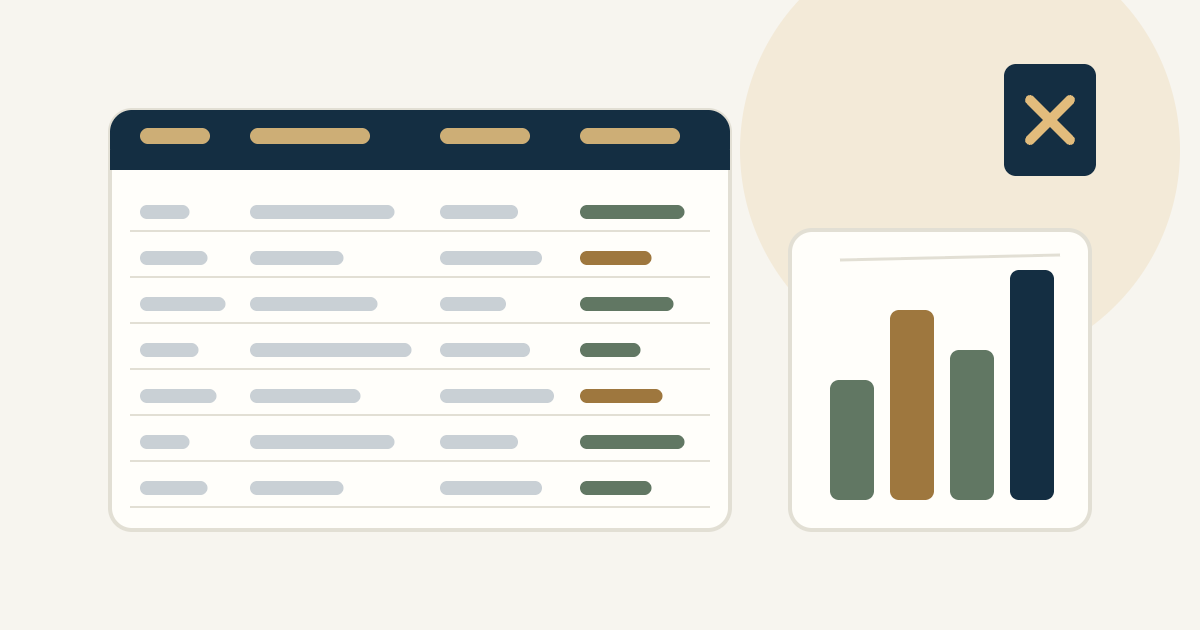
Download the free expense tracker (Excel)
What to track in your business and how often
| What | How often | Why |
|---|---|---|
| Sales and income | Daily | To know what really comes in |
| Expenses with receipts | Daily | To know where the money goes and support deductions |
| Inventory | Weekly | To reorder in time and avoid tying up cash |
| Monthly summary | Monthly | Profit, margin and spending by category |
| Bank reconciliation | Monthly | To catch missing or duplicated entries |
How to keep track of business expenses, step by step
- Download the template and enter the year in the Summary sheet.
- Log every transaction in Transactions: date, income or expense, category, description, amount and payment method.
- Keep receipts in a folder or photo album with the same date.
- Use stable categories. The template includes eight expense categories ready to use.
- Review the Summary each month: income, expenses, profit and margin calculate themselves.
- Check inventory weekly; the sheet flags products that need reordering.
Try it: log today’s transactions
This demo runs in your browser and does not save anything. For your real records, use the downloadable template.
How to read your monthly summary
- Profit = income − expenses. If it is negative two months in a row, review your prices or your biggest expense.
- Margin = profit ÷ income. Compare it month to month, not against other industries.
- Expenses by category show where to cut first: usually the largest one that does not bring sales.
Common mistakes
- Mixing personal and business spending in the same account.
- Logging only big expenses: small ones add up fast.
- Waiting until tax season to organize receipts.
Frequently asked questions about tracking business expenses
What is the easiest way to keep track of business expenses?
Log every expense the day it happens in one place, with date, category and amount, and keep the receipt. A simple spreadsheet like ours is enough for most small businesses until volume justifies accounting software.
How often should I update my records?
Daily for sales and expenses if possible, weekly at the latest. Once a month, review the summary and reconcile it with your bank statement.
Do I need a separate bank account for my business?
It is not always legally required, but it makes tracking far easier and keeps personal and business spending from mixing. Most accountants recommend it from day one.
Which expense categories should I use?
Keep them few and stable: supplies, rent, payroll, utilities, advertising, taxes, maintenance and other. Changing categories every month makes comparisons useless.
Is a spreadsheet enough for taxes?
It helps you organize, but it does not replace a tax professional. Keep receipts and ask your accountant which records your tax authority requires.