Skip to content
Business Strategy & Planning
The Clear Path to Growth, Innovation, and Unstoppable Success
???? Validate Your Business IdeaWhy Strategic Planning Is the True Engine of Your Business
Having a solid business strategy and planning process isn’t a luxury—it’s essential for surviving and thriving in today’s competitive market. Without a clear roadmap, you risk making random decisions, losing focus, and watching competitors leave you behind. Strategic planning is what transforms a good idea into a profitable and sustainable business.
At BusinessTop.com, based on our real experience creating and scaling businesses, we provide proven methods and exclusive insights for defining the right strategy. We show you how to plan effectively, validate ideas, understand your market, and leverage innovation to ensure growth and profitability for your business.
Clear strategy enables proactive adaptation to market changes, anticipating trends and opportunities before your competition even notices them.
With strategic vision, you identify and capitalize on new market opportunities that others miss, positioning yourself as an industry leader.
Strategic planning helps you differentiate from competitors significantly, creating a unique and sustainable value proposition in the marketplace.
Well-defined strategy allows you to allocate resources (time and money) to initiatives that generate real impact and profitability for your business.
With a clear roadmap, all decisions align toward the same objective, building a solid and coherent business for long-term success.
Impact of Strategic Planning on US Businesses
higher success rate with strategic planning
faster growth with clear strategy vs without
better ROI with idea validation
of startups fail due to lack of market fit
???? Business Validation Test: How Strong Is Your Business Idea?
Every great strategy starts with a solid idea. Take this quick validation test for your business idea or current business to identify strengths and areas for improvement.
???? Your Personalized Result:
????️ Strategic Planning Tools for Your Business
Frameworks and calculators to develop your strategy, validate ideas, and plan your business growth.
???? Total Addressable Market Calculator
???? Business Viability Analysis
????️ Business Model Canvas
Visual framework to design and validate your business model:
⚔️ Competitive Analysis Matrix
Compare your business with competitors on key factors:
| Factor | Your Business | Competitor A | Competitor B | Market Leader |
|---|---|---|---|---|
| Pricing | Good | Average | High | Excellent |
| Quality | Excellent | Good | Good | Excellent |
| Customer Service | Excellent | Average | Poor | Good |
| Online Presence | Average | Poor | Good | Excellent |
| Innovation | Good | Average | Average | Excellent |
The BusinessTop Method for Your Strategy
We don’t believe in 100-page business plans that nobody reads. Our approach to strategy is practical, agile, and adapted to the reality of small and medium businesses:
- Real Experience-Based Strategy: We share planning methods we’ve used to launch and scale actual businesses. These aren’t abstract theoretical frameworks, but proven tactics.
- From Idea to Sustainable Profitability: We connect strategy directly to profitability. We help you validate if your idea is viable and define a business model that generates revenue.
- Innovation with Purpose: Innovation isn’t just about inventing something new. It’s about improving, adapting, and finding new ways to create value to keep your business relevant.
- AI Applied for Smarter Strategy: Artificial Intelligence can be valuable in planning. We show you how to use AI for market research, competitor analysis, and idea generation.
- Exclusive Strategic Tips: We share tips learned from experience: how to validate ideas quickly, analyze competitors, and define your unique value proposition.
Master Every Area of Business Strategy
Dive deep into each strategic aspect with our specialized guides. Each area includes proven methods, recommended tools, and real case studies.
Business Idea Validation
Do you have a viable and profitable business idea? Learn agile methods to validate your idea in the market, define a solid business model, and understand if customers are willing to pay.
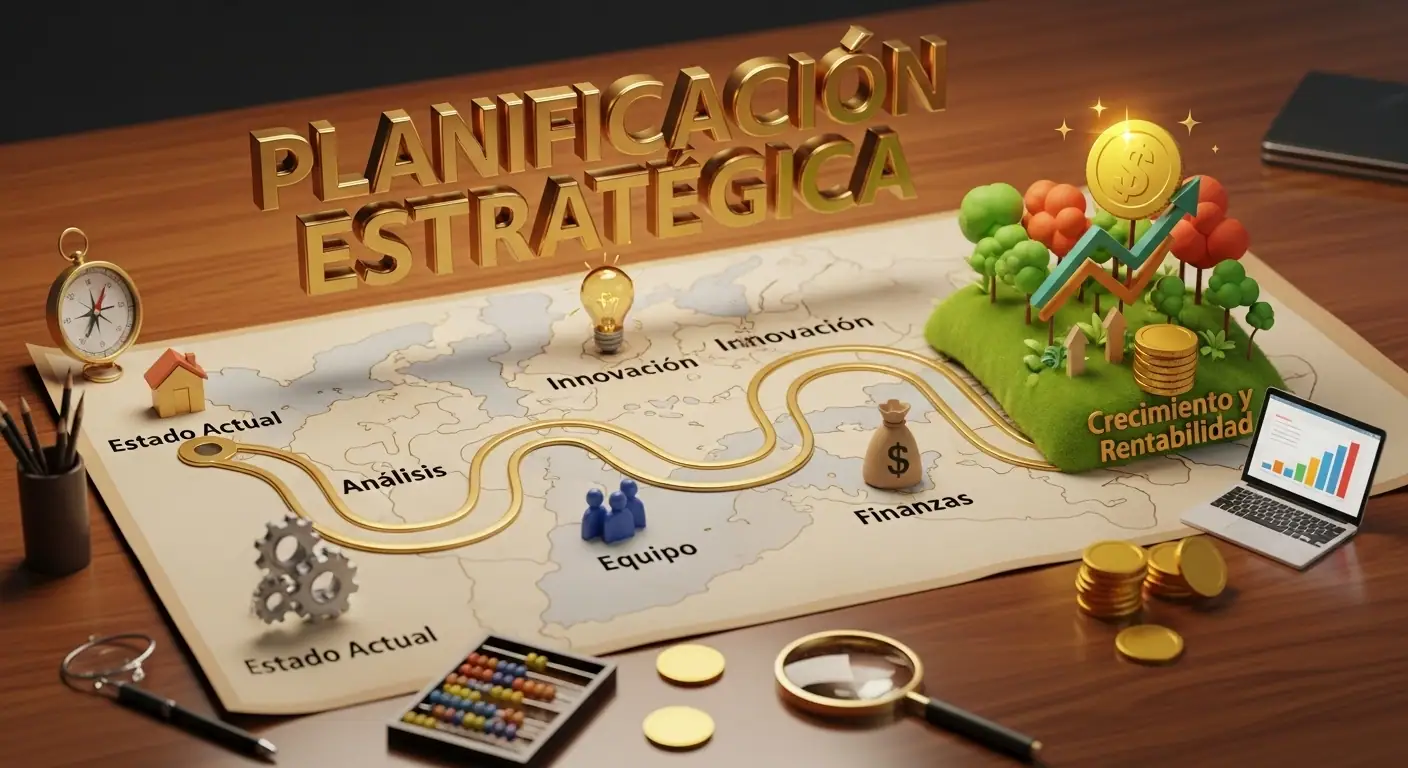
Strategic Business Planning
A well-crafted business plan is your roadmap to growth. Learn to create a realistic strategic plan, define mission, vision, values, and set measurable objectives (KPIs, OKRs).
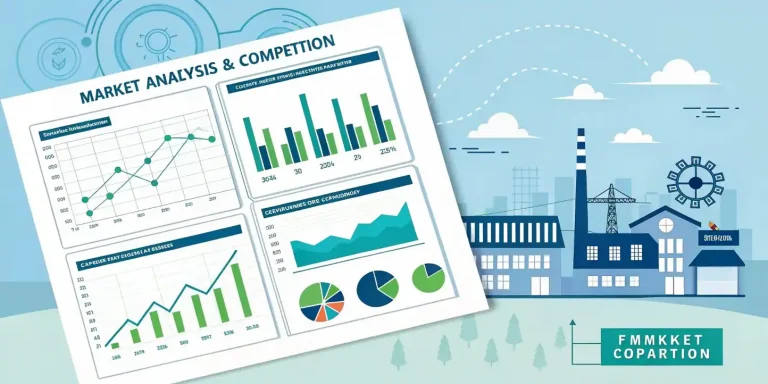
Market Analysis & Competitive Intelligence
Know your terrain to win. Methods to analyze your market, identify competition (what they do well and what they don’t), and find that unique space where your business can excel.
Value Proposition & Brand Identity
Why would a customer choose your business over another? Defining a clear value proposition and building a solid brand identity is fundamental to differentiate in the market.
Innovation & Business Adaptability
Keep your business relevant and profitable. Strategies to foster innovation, build adaptability capabilities, and prepare your business for the future market landscape.
AI in Strategy & Planning
Discover how to use AI for market research, competitor analysis, generating innovative ideas, and identifying emerging trends for more informed strategic decisions.
???? Strategic Insights From Real Business Experience
Exclusive tips we’ve learned creating and scaling real businesses. Apply these insights to develop a winning strategy.
???? Living Plan, Not Dead Document
Your business plan isn’t a static document. Review and adjust it at least every 6-12 months. Markets change, and your strategy must evolve to stay competitive and relevant.
✅ Validate Before You Invest
Before investing heavily, validate your idea with real potential customers. Ask them, show them a simple prototype. Their feedback is gold and can save you money and time.
???? Don’t Copy, Differentiate
Don’t copy your competition. Analyze what they do, yes, but find your own space, your unique value proposition. That’s the key to differentiation and not competing on price alone.
???? AI as Research Assistant
Use AI for the “heavy lifting” of research. Ask it to summarize market trends, competitor profiles, or generate innovation ideas. You focus on strategic analysis and decision-making.
???? Measure What Matters
Define your key KPIs from the start: financial (profitability, sales), marketing (leads, conversion), and operational (customer satisfaction). If they improve, you’re on track.
???? Smart Pivoting
If something isn’t working, don’t be afraid to pivot (change direction). The best businesses have pivoted several times until finding their perfect product-market fit. Flexibility is strength.
❓ Frequently Asked Questions About Business Strategy & Planning
???? Your Next Step Toward Clear Strategy and Innovative Business
Clear strategy, solid planning, and innovation capability are the foundation of long-term success. They provide direction, control, and the ability to adapt to any market change.
You have all the tools and frameworks you need to start. Use the validation test to evaluate your idea, apply the strategic calculators, and begin building a clear path to business growth.